
Business

The signature teal color of an old-school iMac stood out among a hodgepodge of items. There was a Sierra Nevada box filled with torn packaging envelopes, complete with stamps and postmarked dates. The one-man crew of 21 Grand—a downtown Oakland gallery and performance space—was purging everything that had accumulated in storage for the last decade, but the venue’s “emergency rummage sale” a couple of weeks ago wasn’t just an effort to collect a few bucks. It was to make the month’s rent.

“I put love into this food,” said Lawana Wyatt, who has worked with food services in Oakland for the past 13 years, as she instructed a member of her staff on how much food to add to each plate when the students arrived. Although Wyatt is enthusiastic about school lunch on any given day, she knew that Thursday’s meal was really something special. “It’s not every day that we can get organic food,” she said. “I think it’s a good idea. I really hope the kids come.”
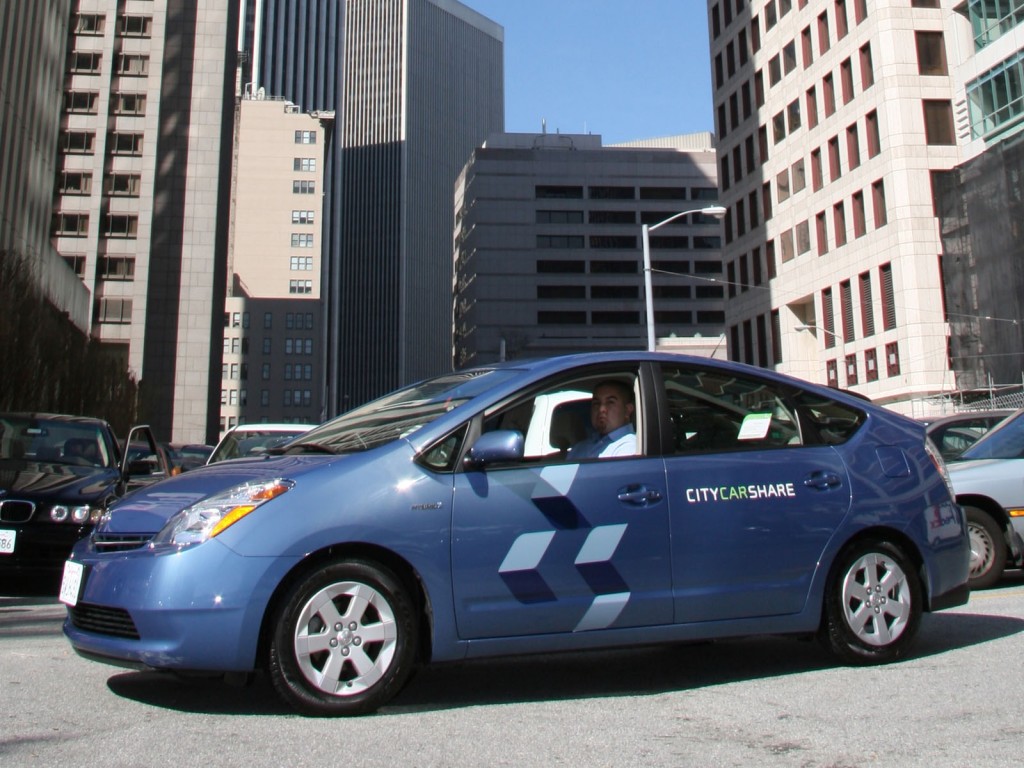
If you have a car—preferably one that’s insured, reasonably new, and clean—starting in January, it could make you money every time you park. All you have to do is let a few strangers drive it. This kind of car-sharing is not unheard of in California, but a new state law is about to make it easier to rent out your car when you don’t need it.

Nurses in multi-colored scrubs lined the streets in front of Children’s Hospital Oakland Tuesday, striking against what they say is a proposed cut in their health care benefits. Passing cars, BART trains and fire engines honked in support of the hospital’s nearly 800 registered nurses as they began a three-day strike led by the California Nurses Association (CNA). The hospital will continue operating with over 100 replacement nurses until the strike is scheduled to end Friday morning.

A complaint recently filed with the Oakland Public Ethics Commission has raised a debate about whether contact with a public official by a business leader constitutes lobbying. The complaint alleges that six prominent Oakland business leaders have lobbied their governmental officials without being registered to do so.

The Temescal location of Tara’s Organic Ice Cream, a New Mexico-born ice creamery serves all natural, locally made treats with unlikely flavors. Ever heard of garam marsala ice cream? How about basil? Or blueberry mint? You can try those and more at Tara’s. Check out these videos to learn more.

In 20 minutes, Rick Butler can crochet a yarn ball into a hat that he says is unique. Like a mini handicraft exhibition, the hats are collected on a blanket laid on the edge of a plaza strewn with cigarette butts. The colorful hats easily stand out from the surrounding grey concrete. “Every hat is different,” says Butler. “I take a picture of every hat I make so I remember.”

Bicycles have long been ingrained in the Bay Area’s transportation culture, so it’s no surprise that fixed-gear bikes—single-gear bikes with no rear freewheel, making it impossible for the rider to coast—have found a home in Oakland.

Late Thursday afternoon, Oakland residents, foreclosed homeowners, and city workers filled the lobby of a Wells Fargo Bank at MacArthur Boulevard and Fruitvale Avenue—and not to deposit checks. The transaction: faxing a letter to the Wells Fargo headquarters in Iowa. The subject: “Stop illegal foreclosures in California.”