Demystifying plug-in solar devices, which are now legal and can save Oaklanders money
on November 6, 2026
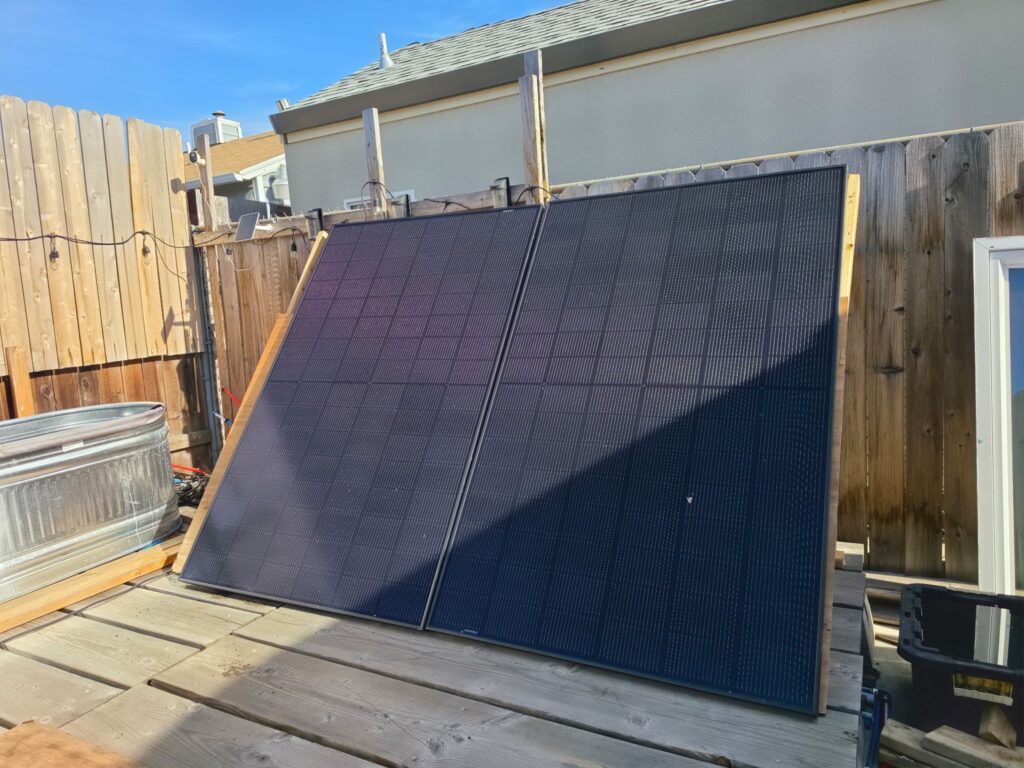
Ever since he was a kid, Ansel Troy wanted to know how things work. He wanted to understand his house, his plumbing, his electricity. Around the time talks for legalizing plug-in solar systems in California were being finalized this September, he started experimenting with portable solar panels and documenting the journey on his Instagram and Facebook channel @tinyoakland.
Through his DIY videos, Troy takes viewers into his East Oakland backyard with one simple goal: demystify clean energy and show that it can be straightforward, safe, affordable and lower utility costs. His daily videos draw a growing audience seeking practical advice, from where to buy equipment and plug-in units to whether adding a battery is worth the extra cost.
“I think that the solar industry has done a really good job of making people believe that they are like these magicians and that only a qualified solar installer should be installing solar panels, and I’m like, ‘It’s the most basic technology out there.’” Troy said.
California consumers may be looking for practical information about the units, after Gov. Gavin Newsom signed a law in September that allows 1.2 kilowatt plug-in solar devices without utility permits or extra fees.
A portable solar kit consists of one or more panels that can be set up in a backyard or on a balcony and plugged into a microinverter that transmits the solar energy into a home’s electrical system. A cheaper alternative to traditional solar power, it eliminates expensive rooftop installation, professional wiring costs and utility permitting fees.
Oakland plans to work with community organizations such as California Interfaith Power & Light to raise public awareness about the technology, said Shayna Hirshfield-Gold, acting sustainability director.
PG&E estimates savings
Solar power can significantly reduce electricity costs, which are comparatively high in the Bay Area. While PG&E slightly decreased rates this year to 40 cents per kilowatt-hour, that is still double the national average of $18.31. The utility estimates plug-in units can lower a home’s electric bill from $50 to $800 a year, depending on the size of the unit.
“PG&E recognizes that affordability is a major concern for our customers, including in Oakland,” said Paul Doherty, a PG&E spokesperson.
However, PG&E opposed the bill because of concerns that unmonitored solar devices could make the power grid harder to manage and put utility line workers in danger.
Much of the information on solar energy remains overly complex for everyday consumers. People like Troy are working to simplify it, while also addressing public skepticism and safety misconceptions.
Troy learned about electricity and off-grid systems solely from YouTube tutorials. In 2019, he studied household wiring, and after obtaining the necessary permits, installed solar panels on his roof. Instead of paying a solar installer $30,000, he built a full rooftop system for roughly $8,000.
Why plug-ins are exempt from fees
Rooftop solar systems usually come with a paired battery to store the excess energy collected during the day. Plug-in solar devices only transmit energy as long as they are plugged into an outlet and there is sunlight present, so the state has exempted them from California’s formal utility interconnection process — the complex, fee-heavy application normally required to connect energy-generating equipment to the power grid.
“The bill would have been stronger if it included a requirement to pair battery storage with the plug-in solar system,” said Theresa McDermit, marketing director at clean power provider Ava Community Energy.
A battery would allow residents to store excess daytime solar energy and use it during high-cost peak evening hours, further reducing their electricity bills.
(Top photo: Plug-in solar panels in Ansel Troy’s backyard, courtesy of Ansel Troy)
Former city administrator testifies Thao never told him to bypass bidding process on housing purchase

Oakland North welcomes comments from our readers, but we ask users to keep all discussion civil and on-topic. Comments post automatically without review from our staff, but we reserve the right to delete material that is libelous, a personal attack, or spam. We request that commenters consistently use the same login name. Comments from the same user posted under multiple aliases may be deleted. Oakland North assumes no liability for comments posted to the site and no endorsement is implied; commenters are solely responsible for their own content.