
Environment
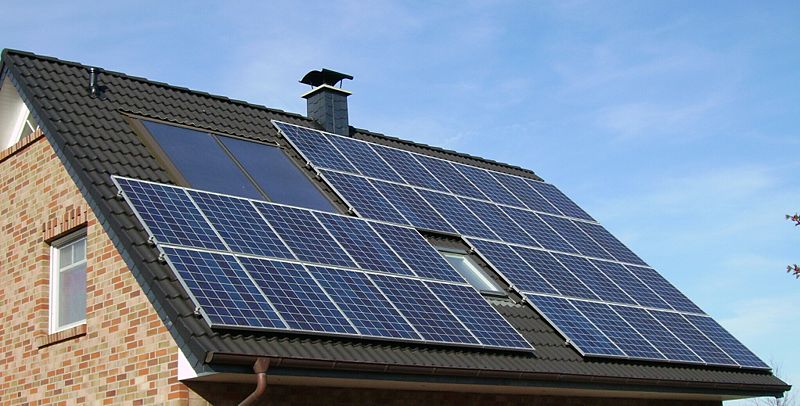
An innovative financing scheme designed to help homeowners afford to make their homes greener and more energy efficient could be in trouble. The Federal Housing Finance Agency recently announced that it would not support Property Assessed Clean Energy (PACE) finance programs, like one set to launch for Oakland residents later this year.
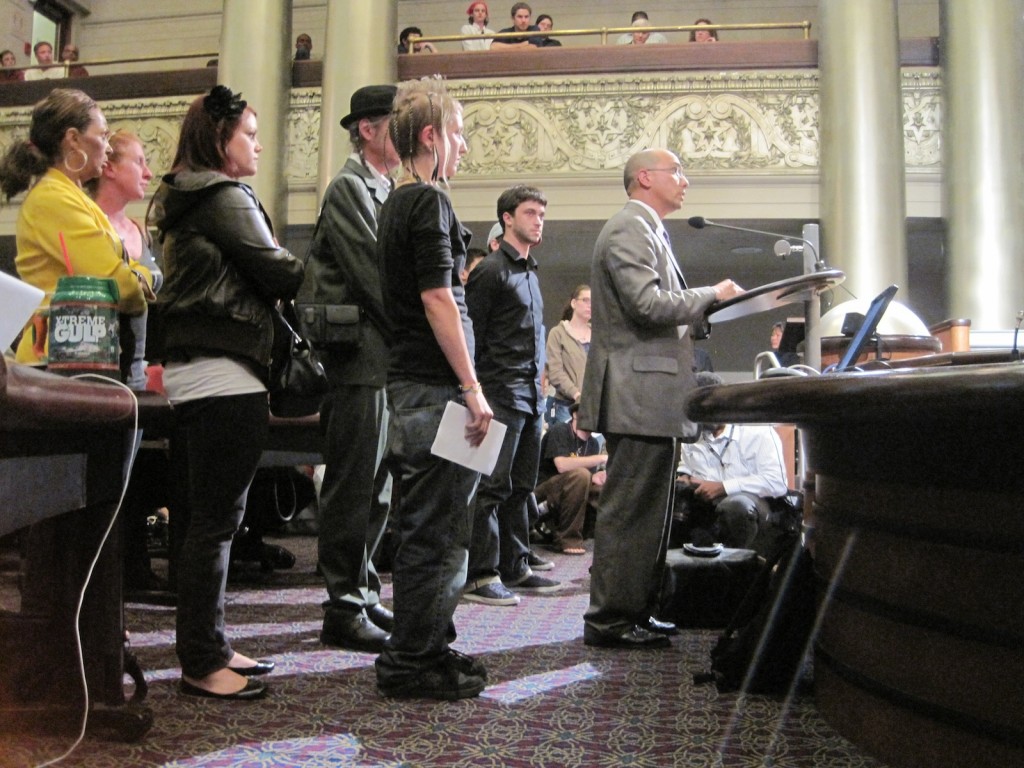
In a lively, standing room only meeting, the Oakland city council voted Tuesday night to approve on first reading a city-wide plan for the cultivation of medical marijuana in four new large-scale factories.

Are you just about done with all the summer squash coming out of your garden? Or been eyeing the neighbor’s plum tree, wishing you had some of your own? There’s a bench in North Oakland’s Mosswood Park where you can trade away your excess harvest and pick up something else you like.

What do you get when you mix an outdoor market, workshops on healthy eating and food justice? A Phat Beets farmers’ market. This new North Oakland weekly farmers’ market, which debuted on Saturday, is more than just buying food locally—it’s about education, health and the community.

North Oakland homeowners may soon have incentives to insulate their walls, upgrade windows and install solar panels, thanks to a countywide program set to launch this fall. Through the Alameda County Energy Efficiency and Green Retrofit Program, owners of residential property in the county can get rebates and loans for making energy-saving improvements to their property.
Urban planner Garlynn Woodsong writes in with an idea for making Oakland’s streets safer while making the city a little greener. In this essay, he re-imagines Market Street after a “road diet” and some strategic replanting.
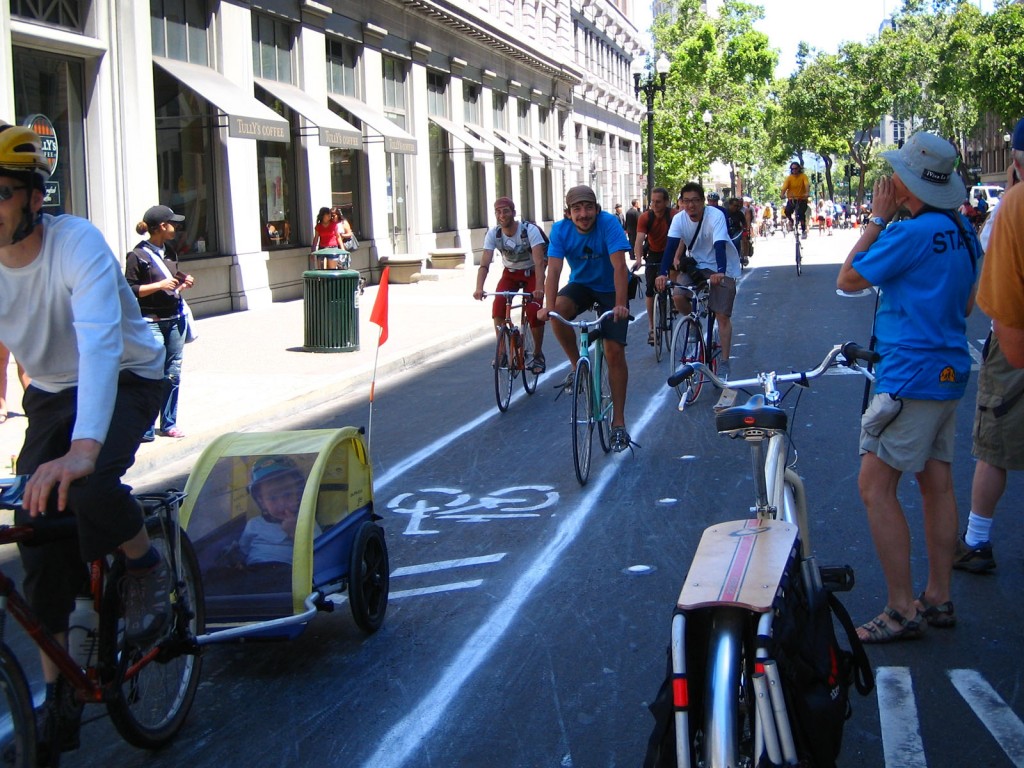
Big bikes, small bikes, kid’s bikes and tall bikes — they were all out in force on Sunday. It was Oakland’s first Oaklavía—an event that closed down the Broadway corridor, from Grand Avenue to Jack London Square, to all cars. Bikes, pedestrians, unicyclists and rollerbladers cruised up and down the street checking out the booths and activities on the sidewalks.
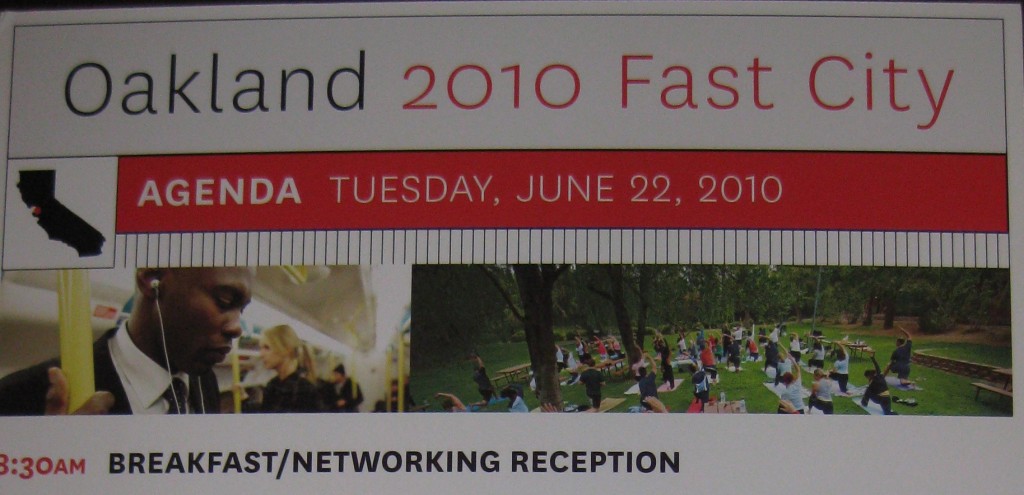
Imagine a city with blue skies and clear roads, populated by healthy people commuting on quiet, non-polluting buses. That’s how the business magazine Fast Company envisions the perfect city, and it’s borrowing some ideas from Oakland.
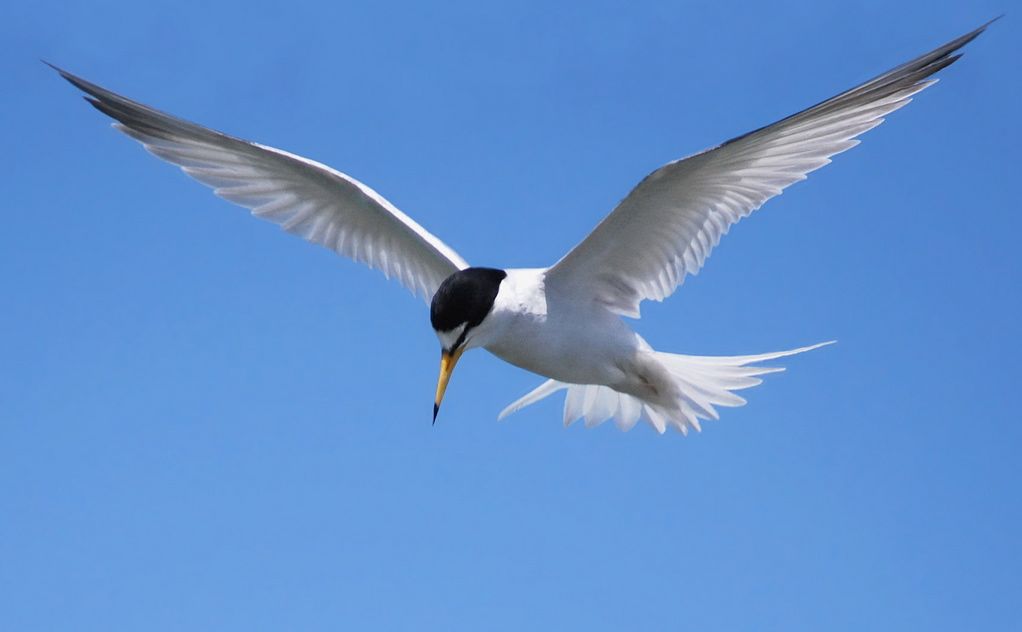
It’s nesting time for the California Least Tern, an endangered species of bird that is beginning to make a recovery out on the Oakland mudflats and at the Alameda Air Station. But as development encroaches on their nesting grounds and their food supply remains uncertain, the birds’ comeback is anything but a sure thing.