
Marijuana
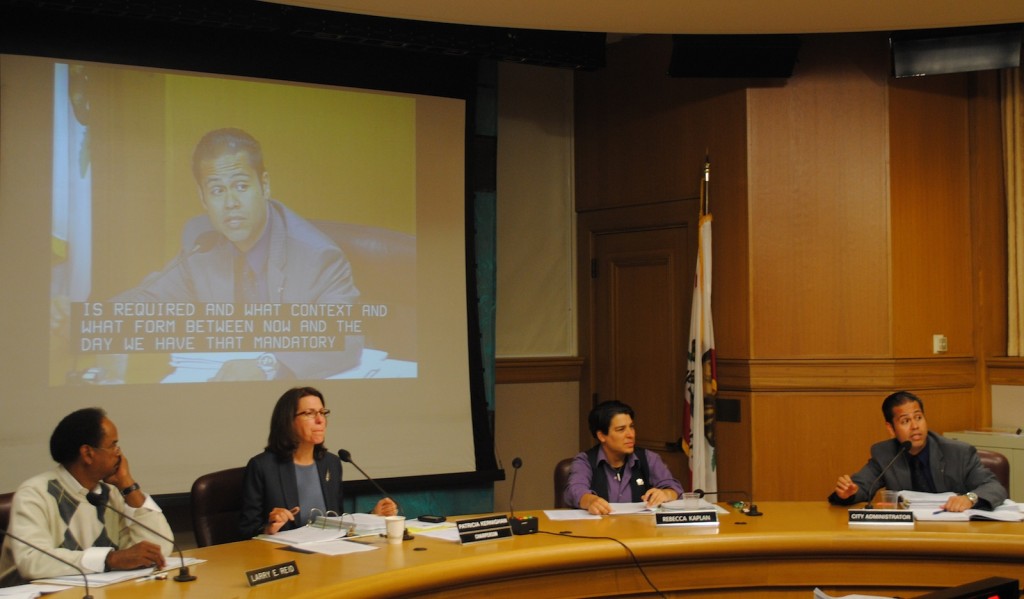
The Oakland City Council’s Public Safety Committee passed an ordinance by consensus Tuesday evening that will double the number of medical marijuana dispensaries in the city, if approved by the city council.

The front gate at the Oakland branch of weGrow, the country’s first “out of the closet” company that sells indoor marijuana growing equipment, is now locked up and its former owners are embroiled in a series of heated legal battles. The 15,000 square foot warehouse facility, located two miles away from the Oakland International Airport, opened last October with a press conference at which a number of city officials, including Oakland Mayor Jean Quan (a city councilmember at that time), showed up to support the store in front of the national media.

Without voting on a single ordinance, members of a beleaguered Oakland City Council spent Tuesday night’s meeting discussing their two most pressing concerns: threats of prosecution by the state and federal government over the city’s plan to permit industrial cannabis cultivation, and dramatic budget cuts from the governor.

After announcing that it has halted the application process for large-scale cannabis production and sales, at a meeting Tuesday night Oakland’s City Council moved closer to planning a new stadium for the Athletics by approving funds for a study on the project.

Over the past 15 years Oakland has become the the epicenter of a national conversation about the legalization, taxation and regulation of marijuana. How did this happen? It started with the coalescing of an open-minded city council, an impoverished downtown, and a handful of determined activists.

At Tuesday night’s meeting, the Oakland City Council approved a major contractor to implement a municipal ID card system, almost a year and half after passing an ordinance allowing the city to issue the cards, and also voted to increase the number of cannabis producer permits in the city from four to eight.

Now that the ash has settled on California’s latest marijuana ballot initiatives, Oakland’s industrial cannabis policy—the nation’s first—can move forward, beginning with the city council’s meeting tonight.

Gabriel Rodriguez sat in the student center cafeteria at Laney College the day after the legalization of marijuana in California went down in defeat. Rodriguez, who voted in favor of the initiative, sounded resigned saying that Proposition 19 probably wouldn’t have benefited everyone anyway.

On Tuesday, Oakland residents decided the fate of several local education and public safety funding measures, along with statewide ballot initiatives like Proposition 19.