
Topics

The Alameda County Registrar of Voters is ramping up outreach efforts at churches, senior centers and local low income housing projects to teach voters about ranked-choice voting, a system in which votes are tallied based on people’s first, second and third choices.

Centro Legal de La Raza and other organizations provided a free Deferred Action for Childhood Arrivals (DACA) fair in the Fruitvale on Saturday to help applicants navigate the forms for the program announced by President Obama in June.
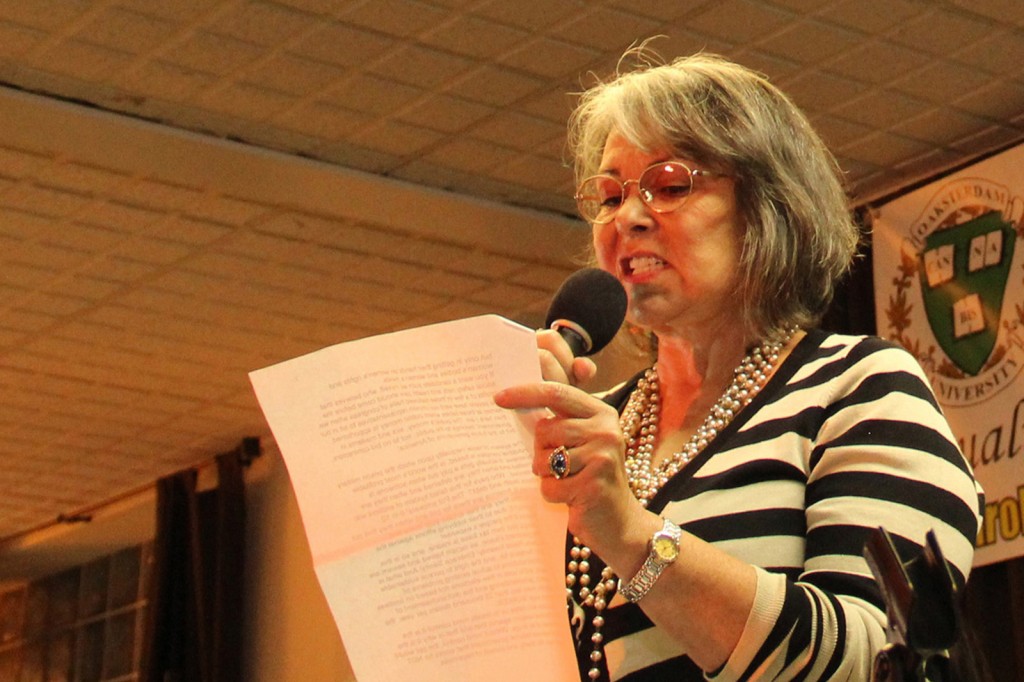
Roseanne Barr is running for president. It was clear, when she addressed a packed house at Oaksterdam University on Thursday night, that the bulk of the crowd was there to hear her say that out loud. Former Democratic Georgia congresswoman Cynthia McKinney delivered an introduction to the evening, cutting directly to the chase. “We are meeting here,” she said, “because the Peace and Freedom Party had the courage and the smarts to nominate Roseanne Barr as their presidential candidate.”

For the two years since Jean Quan was elected mayor in Oakland’s first ranked-choice voting election, the voice of her administration—through multiple turbulent situations—has been Susan Piper, who retired last month as Quan’s official spokesperson.
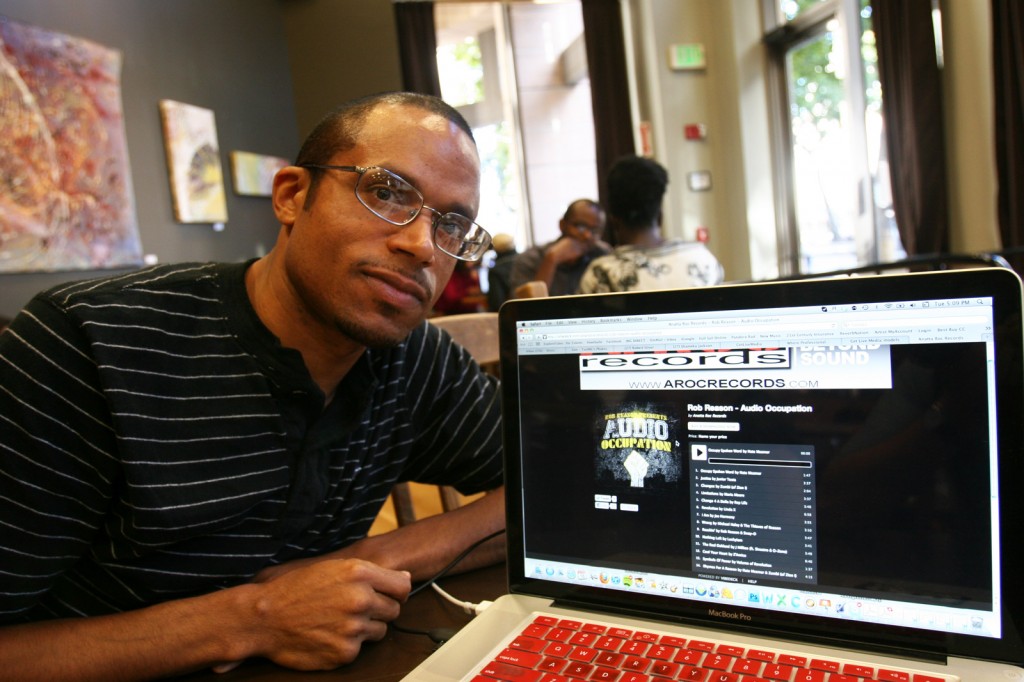
In May, Rob “Reason” Silver, a part-time record producer from Oakland, and Jason Samel, the owner of a small insurance brokerage in New York, announced their nearly identical but independently conceived plans to bring a new element into the national Occupy protest—marketability. Both had come to the conclusion that there was potential within the anti-capitalistic, determinedly decentralized protest to sell a product that could help raise funds and draw in new supporters. In May, both men launched Occupy benefit albums.
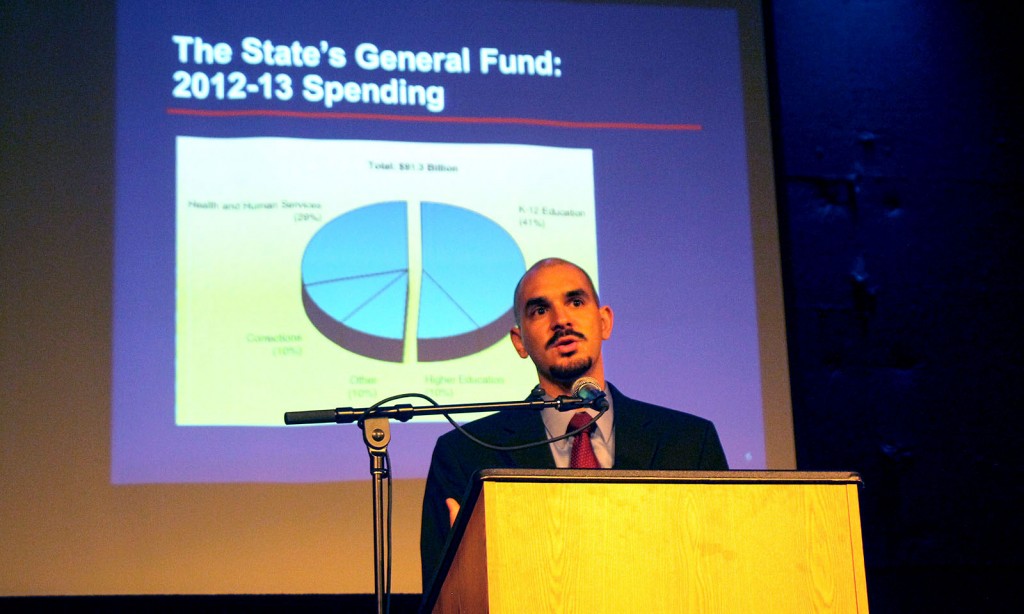
On Wednesday night, “Stand Up for Our Children: A Community Forum” at the Oakland School for the Arts in downtown Oakland brought together educators, administrators and local political figures to discuss two propositions on the November ballot that could generate new funds for public schools by raising taxes for Californians. The forum also included a “break-away” session that allowed attendees to voice their concerns in more in-depth fashion.

Four hopefuls vying for Oakland’s City Council’s at-large seat this November agreed on one thing at a candidate’s forum Wednesday night—violence on the streets needs to stop.
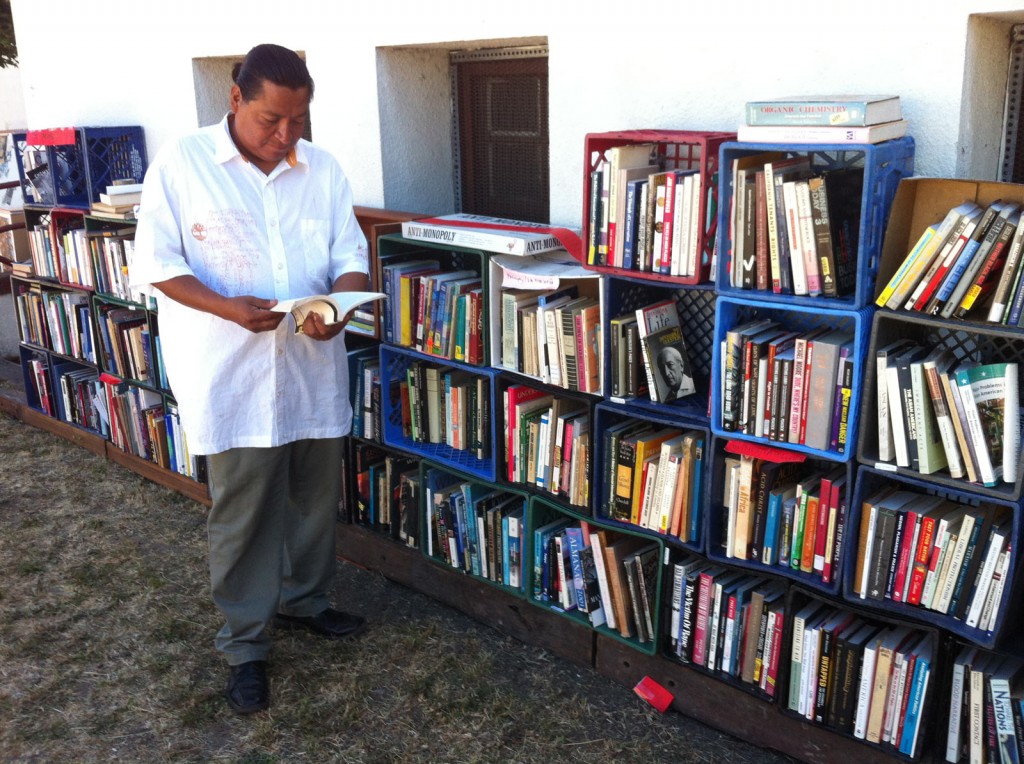
Over the past two weeks an impromptu library has sprung up on the location of the former Latin American Library in the Fruitvale district. A group of nearly fifteen people, including a few Occupy Oakland protesters and several community members, have been loaning out books, constructing planters for gardening and holding community meetings.
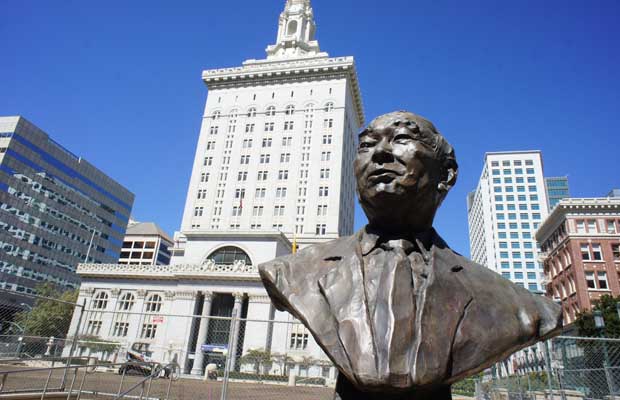
Nearly a year after the Occupy protest coalesced in downtown Oakland, a longsuffering casualty of the protest is finally being attended to as the City of Oakland begins a full-scale restoration of the lawn of Frank H. Ogawa Plaza. The project involves the removal and replacement of all grass sod in the plaza—a new lawn, essentially, from scratch.